

INTRODUCTION
THE PIANO AND THE DRUMS BY GABRIEL OKARA
 In the poem, the piano and the drums, the poetic persona shows the difference between the normal lifestyle of Africans and that of the modern world. The setting of the poem, as is seen in the poem, dates from the advent of civilization to the modern time. The central theme of the poem hinges on the effect of foreign culture to Africans. This theme he elaborates using the effect of music on the poetic persona as an analogy. The poem tries to emphasize the purity of African content before the interference of civilization.
In essence, Gabriel Okara perceives the desecration of the African way of life from the musical perspective, and comes out to lament about it through the instrument of poetry.
THE POEM, THE PIANO AND THE DRUMS
When at break of day at a riverside
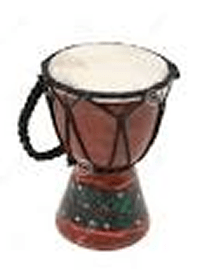
I hear jungle drums telegraphing
the mystic rhythm, urgent, raw
like bleeding flesh, speaking of
primal youth and the beginning,
I see the panther ready to pounce,
the leopard snarling about to leap
and the hunters crouch with spears poised.
And my blood ripples, turns torrent,
topples the years and at once I’m
in my mother’s laps a suckling;
at once I’m walking simple
paths with no innovations
rugged, fashioned with the naked
warmth of hurrying feet and groping hearts
in green leaves and wild flowers pulsing.
Then I hear a wailing piano
solo speaking of complex ways
in tear- furrowed concerto;
of far away lands
and new horizons with
coaxing diminuendo, counterpoint,
crescendo, but lost in the labyrinth of its complexities, it ends in the middle of a phrase at a daggerpoint
And I lost in the morning mist
of an age at a riverside keep
wandering in the mystic rhythm
of jungle drums and concerto.
ANALYSIS OF THE POEM, THE PIANO AND THE DRUMS
STANZA ONE
In this stanza, the poetic persona speaks of the sound of the jungle drum. This sound of drum he feels is mystical, that is, there are so many supernatural things that comes with it. The sound of the drum to him, creates agility, strength and quickness of action. This can be seen from lines 3 to 4 as he runs into imagination to the primordial time picturing what this sound would do to the jungle residents:
“… Speaking of
Primal youth and the beginning
I see the panther ready to pounce
The leopard snarling about to leap
And the hunters crouch with spears poised”
All is action and natural. The poetic persona with a straight use of imagery and comprehensible words draws the readers’ attention to the fact that everything about this sound is in their natural states using words like, “riverside, jungle, raw, fresh,” names of animal in the jungle – natural habitat, and the last line of the stanza speaking of a hunter with spear ready to strike and hunt.
Everything about this stanza depicts the freshness of nature and life as of the old.
STANZA TWO
Once again, the poetic persona remembers of years back when he was still an infant in his mother’s laps suckling her breast (lines 9 to 11). Suddenly, he is walking the paths of the village with no new ideas of a way of life different from the one he is born into:
“At once I’m walking simple
Paths with no innovations,
Rugged, fashioned with the naked
Warmth of hurrying feet and groping hearts
In green leaves and wild flowers pulsing.”
STANZA THREE
Then, here in stanza three, reality changed as the poetic persona came in contact with a different sound from a faraway land:
“Then I hear a wailing piano
Solo speaking of complex ways in
Tear-furrowed concerto;
Of far-away lands”
The change in the sound came with a different instrument other than African native drum, and it also produces a sound that is different with so many musical technicalitieswhich the poetic persona expresses with musical dictions in words like, “concerto, diminuendo, crescendo.” He deploys them to emphasize the difficulty in understanding this new sound
“… but lost in the labyrinth
Of its complexities…”
Consequently, in the last four lines, the poetic persona laments on the level of confusion the new sound brings when it mixes with the drums:
“And I lost in the morning mist
Of an age at a riverside keep
Wandering in the mystic rhythm
Of jungle drums and the concerto”
 On a general note, the poet discusses the confusion that is created when western culture mixes with African culture. Any attempt to unify the two results to confusion and disorder. Therefore, one is keenly advised to abhor such style of life. If you want to be African, be it, otherwise, live like the white man.
The poetic persona is not against choosing any of the cultures, but don’t mix them together. Indirectly, he warns us against becoming whiter than the white themselves or more civilized than civilization.
 Litionary
THIS POEM BY GABRIEL OKARA DEPICTS HIS SENSE OF FEELING ABOUT BEING IN ABSOLUTE UNITY WITH ONE’S NATURE , BE IT BE ONE’S TRUE FACE OR NOT. MY FIRST THOUGHT AFTER READING THIS POEM WAS THAT ” EITHER BE JACKLE OR HYDE ” NOT NEITHER , WHATEVER YOU WANT REGARDLESS OF YOUR ROOTS. THE POET DESCRIBES HOW AFRICA WAS DIFFRENT BEFORE THE INTERFERENCE OF THE CIVILIZATION FROM A MUSICAL PERSPECTIVE. TO HIM, THE NATIVE DRUMS REMIND HIM OF THE MOST RAW , MOST PRIMAL,MOST NATURAL PART OF A HUMAN. THE WAILING PIANO THAT HE TALKS ABOUT IS A COMPLICATED AND POLISHED VERSION OF ONESELF THAT FITS TO THE TASTES OF OTHERS TRYING TO INTRIGUE THEM WITH THE CRECENDOS AND DECENDOS.HE SAYS THAT HIS HEART RISES , HIS SENSES PRIMAL, HE CAN FEEL THE NATURE AROUND HIM AND BE IN SYNC WITH,AND ABOVE ALL CAN STILL HAVE CONNECTION WITH EVERYTHING LIKE A BABY SUCKLING HIS MOTHER, WOULD HAVE WITH ITS MOTHER , SOMETHING POWERFUL,NATURAL AND FATHOMLESS.
I FIND IT IRONICAL THAT THE POET DIPICTS A BLACK AND WHITE IMAGE , THAT ONE SHOULDN’T EVEN VENTURE TO PERCIEVE A GREY LINE , AN IN BETWEEN . THE POET HIMSELF IS ” GABRIEL OKARA”.
LikeLike