

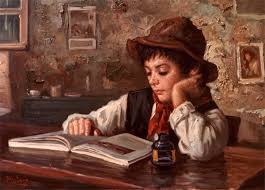
THE SCHOOL BOY by William Blake INTRODUCTION All the stars in the sky shines, but, some shine lesser than others. Everyone is intelligent, but not at the same level. The implication is that nobody is a dullard. It seems that those who are called dullards are those who were not allowed to explore education in… Continue reading The School Boy – Introduction, Poem, Analysis
Category: P-Non-African
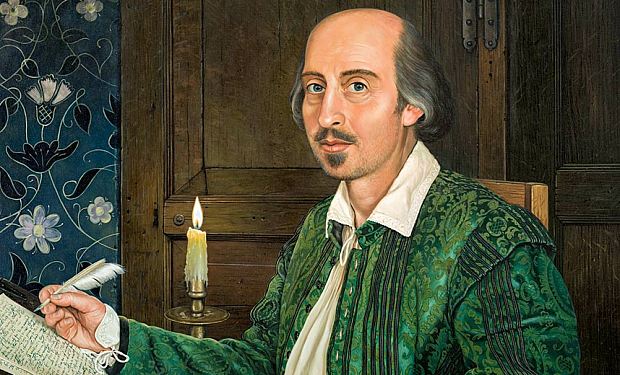
SHALL I COMPARE THEE TO A SUMMER’S DAY: themes, structure, diction, mood/tone and poetic devices
SHALL I COMPARE THEE TO A SUMMER’S DAY THEMES Admiration and love: the whole poem is about admiration and affection for the poetic persona’s object of admiration. This admiration is illustrated by the poetic persona by juxtaposing summer’s day limitations to the efficiencies of his object of admiration. Nature’s cruelty: This is another idea that… Continue reading SHALL I COMPARE THEE TO A SUMMER’S DAY: themes, structure, diction, mood/tone and poetic devices

Shall I compare too to a summmer’s day by William Shakespeare
SHALL I COMPARE THEE TO A SUMMER’S DAY BY WILLIAM SHAKESPEARE Introduction The poem is a sonnet that proclaims the beauty of a person by comparing the person to a summer’s day and then describing how the person is better than the summer day. The metaphoric analogy gave life and style to the poem, making… Continue reading Shall I compare too to a summmer’s day by William Shakespeare
CROSSING THE BAR -Themes, poetic Devices
THEMES The poem is an eye opener on the reality that surrounds death. It lays emphasizes on the following themes: Grief free farewell: the poetic personae has it emphasized in the poem that no one should feel bad, cry or mourn when he dies. This is because he is going to see his creator in… Continue reading CROSSING THE BAR -Themes, poetic Devices
Crossing the Bar – Stanza Summary
STANZA SUMMARY Stanza one ‘Sunset and evening star’ informs the reader that the poetic personae has come of age and is close to death. ‘Sunset’ and ‘evening’ depicts the end of the day, but is poetically deployed in the poem to mean the end of one’s life. This death call he accepts as his, and… Continue reading Crossing the Bar – Stanza Summary
Sonnet 18: Shall I compare thee to a summer’s day? BY WILLIAM SHAKESPEARE
Sonnet 18: Shall I compare thee to a summer’s day? Shall I compare thee to a summer’s day? Thou art more lovely and more temperate: Rough winds do shake the darling buds of May, And summer’s lease hath all too short a date; Sometime too hot the eye of heaven shines, And often is his… Continue reading Sonnet 18: Shall I compare thee to a summer’s day? BY WILLIAM SHAKESPEARE
Birches BY ROBERT FROST
Birches When I see birches bend to left and right Across the lines of straighter darker trees, I like to think some boy's been swinging them. But swinging doesn't bend them down to stay As ice-storms do. Often you must have seen them Loaded with ice a sunny winter morning After a rain. They click… Continue reading Birches BY ROBERT FROST
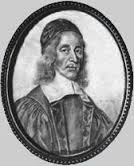
The Pulley by George Herbert
The Pulley When God at first made man, Having a glass of blessings standing by, Let us, said he, pour on him all we can: Let the world’s riches, which dispersed lie, Contract into a span. So strength first made way; Then beauty flowed; then wisdom, honour, pleasure. When almost all was out, God… Continue reading The Pulley by George Herbert
Crossing the Bar BY ALFRED, LORD TENNYSON
BIOGRAPHY Alfred, Lord Tennyson was the most renowned poet of the Victorian era. His poetic writings inspired a lot of authors. Born in England in 1809, Alfred, Lord Tennyson began writing poetry as a boy. He was first published in 1827, but it was not until the 1840s that his work received regular public acclaim.… Continue reading Crossing the Bar BY ALFRED, LORD TENNYSON
 Litionary